How We Test for Electrical Faults

  • Every test we use, explained simply
  • Carried out to the wiring regulations (BS 7671)
  • Safe isolation before any work starts
  • Fixed-price quote once the fault is found

How we test

The tests behind every fault we find

Finding an electrical fault isn't guesswork. Our electricians use a set of standard tests, each one designed to reveal a different kind of problem. Here's what they are, what they show and why they matter.

Every test is carried out to BS 7671, the UK wiring regulations, by a qualified, Part P registered electrician. Once we've found the fault you get a fixed-price quote before any repair starts.

Dead tests

With the power off

These tests are carried out with the circuit isolated and proved dead. They check the wiring itself: that every conductor is connected, the insulation is sound and everything is wired the right way round.

1

Safe isolation and circuit isolation

Before we touch anything, we isolate the circuit, lock it off and prove it's dead with an approved voltage indicator, checking the indicator on a known live source before and after. To narrow down a fault, we then bring circuits and appliances back on one at a time, which quickly shows whether the problem is in the wiring or in something plugged into it.

What it finds: Which circuit or appliance is causing the problem, safely.

2

Earth continuity and bonding

We measure the resistance of each circuit's protective (earth) conductor, recorded as R1+R2, to prove there's a continuous earth path to every point. We also check the main bonding to incoming gas and water pipes, and supplementary bonding where it's needed, so metalwork can't become dangerously live during a fault.

What it finds: Missing or broken earths, loose earth connections and missing bonding.

3

Three-step ring continuity test

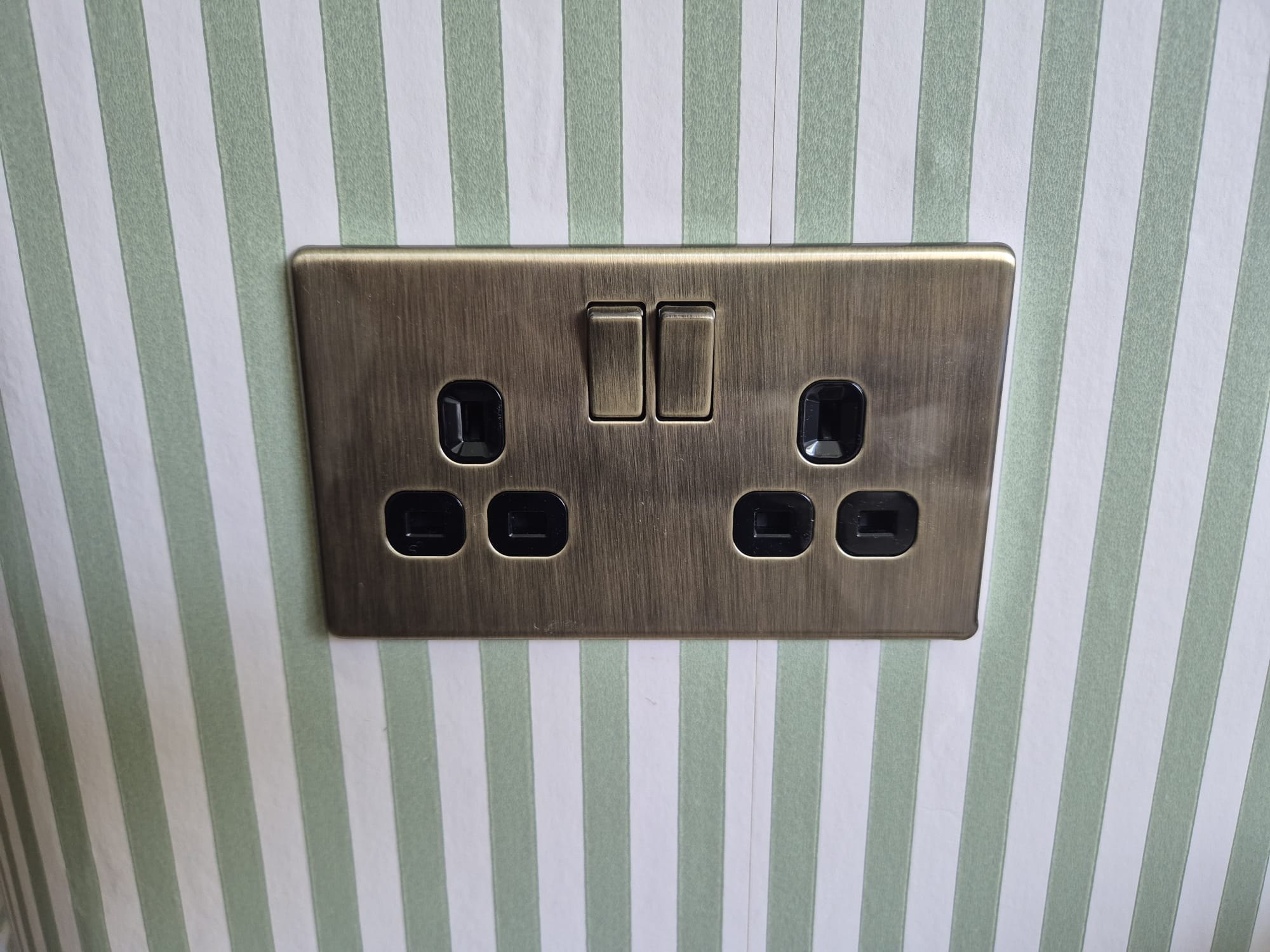
This test checks that a ring final circuit is complete. First we measure the line, neutral and earth conductors end to end. Then we cross-connect the ends and take a reading at every socket. On a healthy ring the readings are almost identical all the way round, so a higher reading at one socket points straight to the problem.

What it finds: Broken rings, loose terminals, interconnections and incorrectly wired spurs.

4

Insulation resistance test

Using an insulation resistance tester, we apply a DC test voltage, usually 500V on household circuits, between the live conductors and between the live conductors and earth. Healthy insulation gives a very high reading in megohms. A low reading means current is leaking through damaged insulation, moisture or a faulty accessory. Sensitive equipment is unplugged first so it isn't affected.

What it finds: Damaged or wet cables, faulty accessories, earth leakage and short circuits.

5

Polarity test

Polarity testing confirms that switches and protective devices are in the line conductor, not the neutral, and that sockets and lampholders are wired the right way round. With reversed polarity a light fitting can still be live when it's switched off, which is a real shock risk when you change a bulb.

What it finds: Reversed connections at sockets, switches and light fittings.

Got a fault that needs tracing?

Our electricians carry the full test kit and can usually be with you within 30 to 90 minutes.

Live tests

With the power on

Once the wiring is proved sound, we switch the supply back on and test how the installation behaves, checking it would cut the power quickly and safely if a fault happened.

6

Earth fault loop impedance (Zs and Ze)

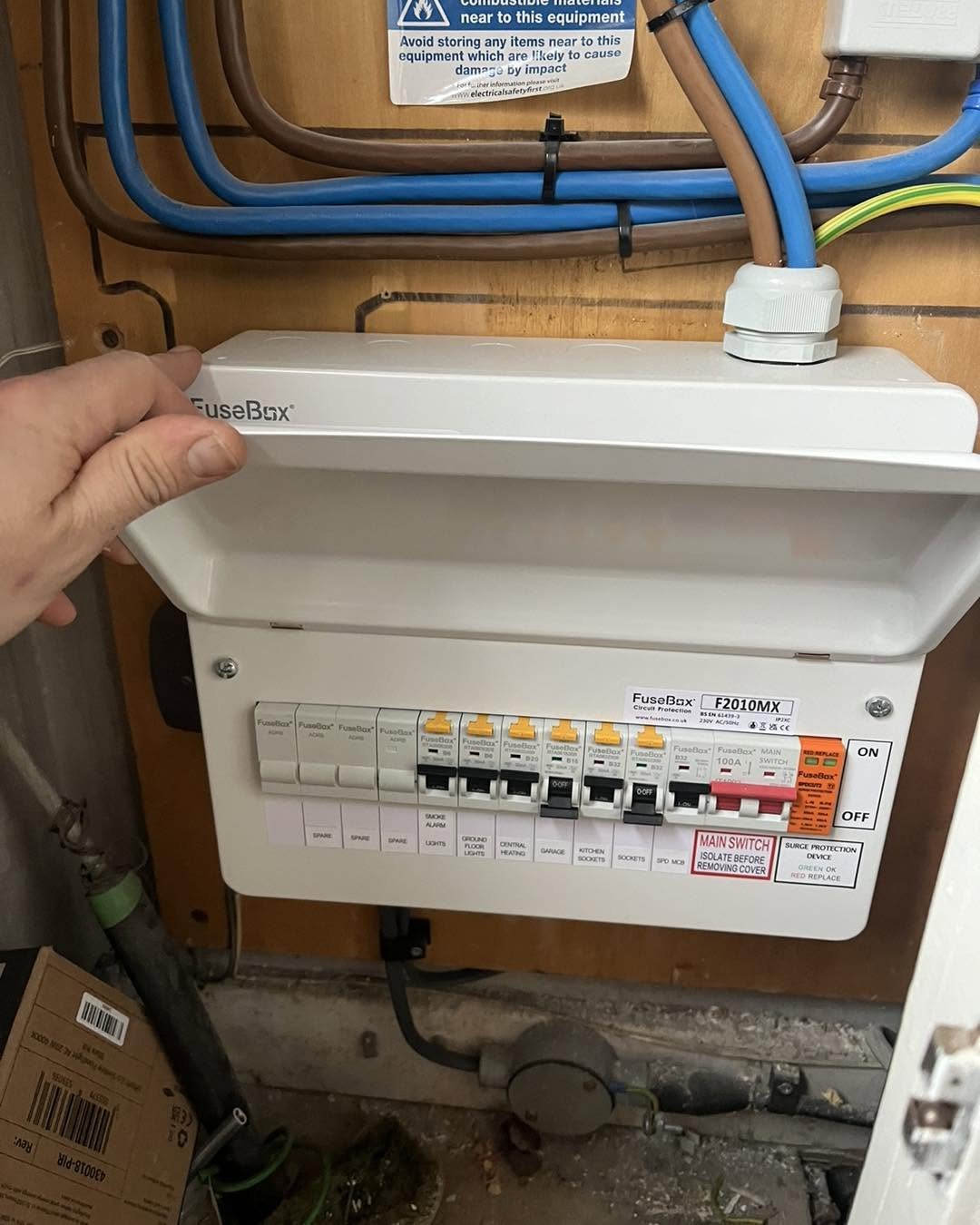
Earth fault loop impedance (Zs) is the resistance of the path a fault current would take. It has to be low enough for the circuit breaker or fuse to cut the supply quickly if there's a fault. We also measure Ze, the part of that loop outside your property, which tells us whether the supply earth is sound.

What it finds: Poor earthing, high-resistance connections and circuits that wouldn't disconnect fast enough.

7

Prospective fault current

We measure the prospective fault current, the largest current that could flow during a short circuit at your consumer unit. Your fuses and circuit breakers must be able to break that current safely, so this test confirms they're correctly rated for your supply.

What it finds: Protective devices that aren't rated for your supply.

8

RCD testing and earth leakage

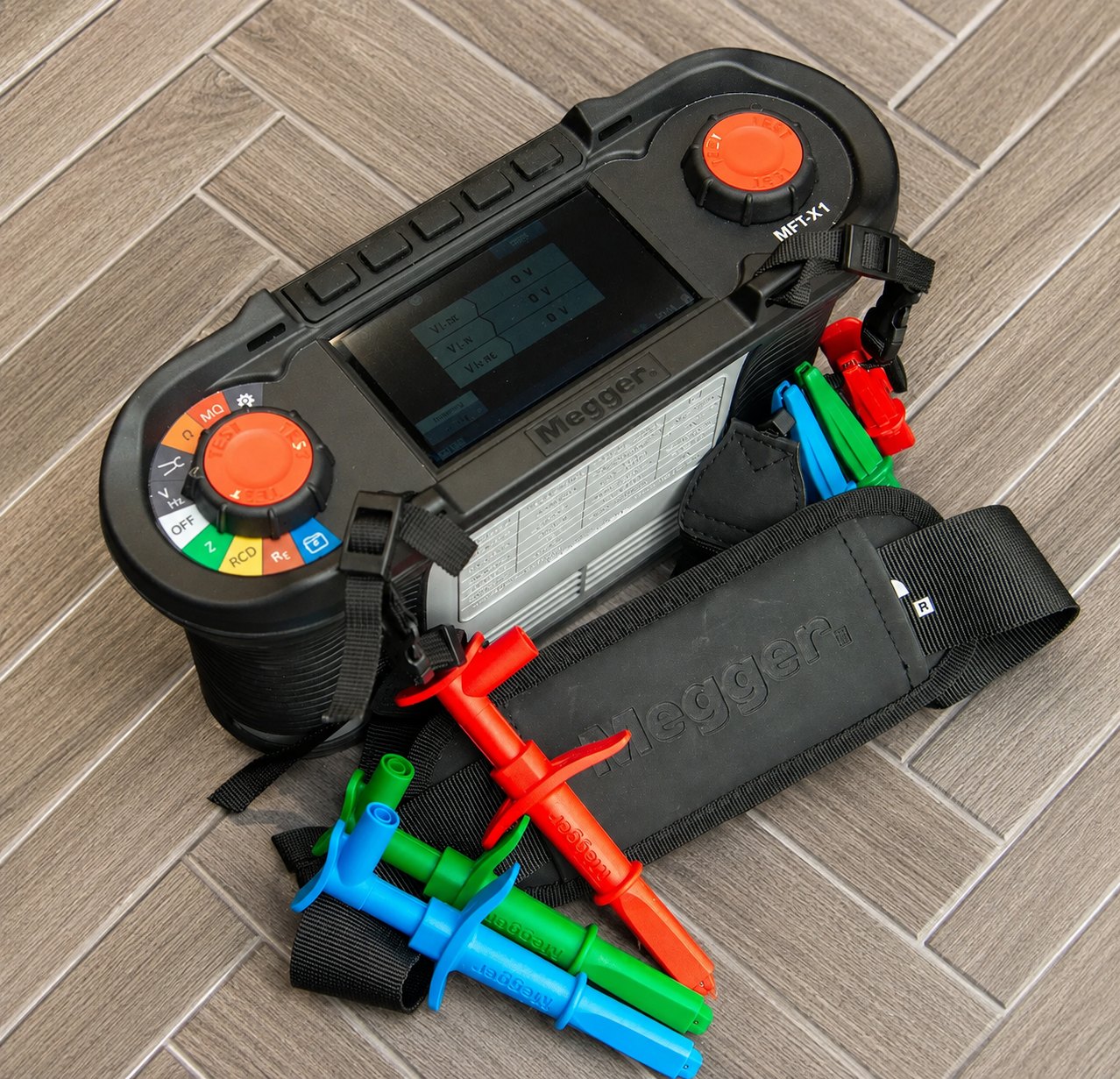
We test each RCD with a multifunction tester to check it trips within the time allowed by the wiring regulations, and that it isn't tripping too easily. With a sensitive clamp meter we also measure the leakage current already flowing on each circuit. Lots of small leaks from appliances can add up and trip an RCD even when nothing is faulty.

What it finds: Slow or faulty RCDs, nuisance tripping and high standing leakage.

9

Voltage checks and voltage drop

We measure the voltage at outlets and fittings with the load switched on and off. A big drop in voltage when something is switched on points to a high-resistance connection somewhere in the circuit, a common cause of flickering lights and appliances cutting out.

What it finds: High-resistance joints, failing connections and supply problems.

Finding the cause

Tracking the fault down

Some faults only show up under load or hide inside walls and ceilings. These tools help us pinpoint exactly where the problem is, so we fix the right thing.

10

Thermal imaging and load current

A thermal imaging camera shows heat as colour, so overheating terminals, breakers and accessories stand out without dismantling anything. We pair it with a clamp meter to measure how much current each circuit is drawing, which shows whether a circuit or connection is overloaded.

What it finds: Loose and overheating connections and overloaded circuits.

11

Cable tracing

A cable tracer sends a signal down a cable that we follow with a receiver through walls, floors and ceilings. It lets us map hidden cable routes and pinpoint where a cable has been damaged, by a nail or screw for example, without opening up more than we need to.

What it finds: Hidden cable routes and damaged or cut cables.

12

Visual inspection and termination checks

Many faults show themselves to a trained eye: scorched or discoloured accessories, cracked cases, loose terminals, overheated insulation or signs of water. We open up and check terminations, tighten them where needed, and look for anything that doesn't meet the wiring regulations.

What it finds: Damage, loose connections and unsafe workmanship.

The test equipment our electricians carry

  • Multifunction installation tester
  • Insulation resistance tester
  • Thermal imaging camera
  • Clamp meter
  • Cable tracer
  • Voltage indicator and proving unit

Before working on any circuit we prove it is dead with an approved voltage indicator, so the job is safe for you and for us.

Electrical testing: your questions answered

Will testing damage my appliances?

No. Before an insulation resistance test we unplug appliances and disconnect sensitive equipment, such as surge protection devices and some electronic controls, so the test voltage can't affect them.

How long does testing take?

Finding a typical fault takes an hour or two. A full set of tests across the whole installation, as on an EICR, usually takes two to four hours for an average house.

Will I get the results?

Yes. We explain what we found in plain English. For installation work and EICRs you also receive a certificate or report with the test results recorded.

Related services

Got an electrical emergency?

Call us 24/7, 365 days a year

07976 458345